
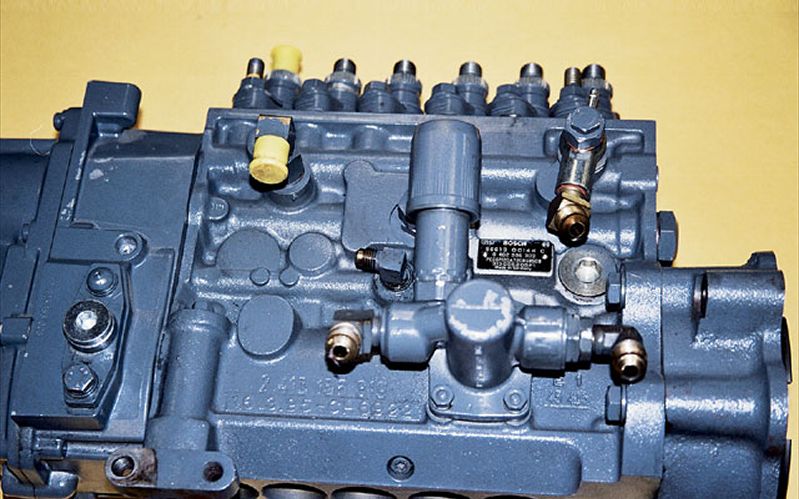
You should clean your fuel injectors when deposits or contamination affect their spray pattern or fuel delivery, provided the injectors remain in serviceable condition. Replacement may be necessary when an injector is electrically faulty, physically damaged, leaking or unable to meet specifications after appropriate cleaning and testing.
Understanding the difference can help you avoid unnecessary parts replacement, improve engine performance and make informed decisions about fuel system maintenance.
What Are the Signs Your Fuel Injectors Need Attention?
Fuel injectors deliver measured amounts of fuel into an engine. When they become clogged, worn or faulty, the engine may not receive the correct fuel supply for efficient combustion.
Common warning signs include:
- Rough idling or noticeable engine vibration.
- Hesitation or reduced acceleration.
- Difficult starting, particularly when the engine is cold.
- Increased fuel consumption without an obvious explanation.
- Engine misfires or uneven running.
- Unusual exhaust emissions or a fuel smell.
These symptoms do not automatically mean your injectors need cleaning or replacement. Ignition faults, fuel pressure problems, air leaks and sensor issues can produce similar symptoms. A proper diagnosis helps identify the actual cause before any work begins.
When Should You Clean Your Fuel Injectors?
Cleaning is often worth considering when testing indicates that deposits are restricting fuel flow or disrupting the injector's spray pattern. It may also be appropriate when an injector's performance differs from specification but the component remains mechanically and electrically sound.
Professional cleaning can help remove accumulated deposits and restore suitable fuel delivery where contamination is the underlying problem. Depending on the injector type and service method, technicians may assess flow rate, spray pattern and leakage before and after cleaning.
The appropriate cleaning method depends on the injector design and the manufacturer's requirements. Some injectors may benefit from specialist off-car cleaning and testing, while others require different procedures.
There is no universal cleaning interval for every vehicle. Follow the manufacturer's maintenance guidance and consider professional testing when symptoms or diagnostic results suggest an injector-related issue.
When Should You Replace Your Fuel Injectors Instead?
Replacement is generally the better option when cleaning cannot restore an injector to the required operating condition or when the component has a fault that cleaning cannot repair.
Situations that may justify replacement include:
- Electrical failure: The injector's internal electrical components do not operate within specification.
- Physical damage: The injector body, connector or critical components are damaged.
- Persistent leakage: Testing identifies leakage that cannot be corrected through an approved service procedure.
- Incorrect fuel delivery: Flow or spray performance remains outside acceptable limits after suitable cleaning.
- Severe wear or corrosion: The injector is no longer serviceable according to the relevant specifications.
Fuel injectors operate under demanding conditions, so replacement decisions should be based on inspection and testing rather than symptoms alone. Replacing a component unnecessarily can increase repair costs without addressing the real problem.
Is Cleaning Cheaper Than Replacing Fuel Injectors?
Cleaning is often less expensive than replacement when the injectors are serviceable and deposits are responsible for the problem. Replacement costs can include new injectors, labour, seals and any additional procedures required by the vehicle.
However, the cheapest option is not always the most effective. If an injector is damaged or electrically faulty, repeated cleaning attempts may waste money and delay the correct repair.
Ask your technician whether the injectors have been tested, what the results show and why cleaning or replacement is recommended. A clear explanation helps you compare options and understand the expected costs before approving the work.
Can Professional Fuel Injector Testing Help You Decide?
Yes. Testing can help distinguish a restricted injector from one that is damaged or operating outside specification. Depending on the equipment and injector type, checks may include electrical operation, leakage, flow consistency and spray pattern.
This evidence-based approach helps determine whether cleaning is likely to be effective or whether replacement is more appropriate. It can also help avoid overlooking other engine or fuel system faults.
If your vehicle has rough idling, poor acceleration or suspected injector problems, explore professional fuel injector cleaning and testing services to understand the available service options.
Where Can You Get Fuel Injector Cleaning in Sydney?
Choosing a specialist who can assess injector condition and explain the results makes it easier to choose the right repair. MRJ Mobile Injectors provides fuel injector cleaning services, including specialist cleaning and testing options for suitable injectors.
Visit the MRJ Mobile Injectors to learn more about the business and its services.
Are your injectors showing signs of trouble? Arrange an assessment before deciding whether to clean or replace them. Accurate testing can help you choose an appropriate solution, manage repair costs and get your vehicle running as it should.
Concerned about fuel injector performance? Find out more about professional cleaning and testing options for your vehicle.
Injector Cleaning Services Contact the Team


